INTERVIEW Bettina Pelz
PUBLISHED 2 AUG 26
Caillyn and Maaike are two young artists working across disciplines and developing a shared practice that brings together Caillyn’s approach to working with natural textures and textiles and Maaike’s way of exploring the consciousness of the body.
// Tell us about your practice: which media do you work with, and what themes or questions drive your work?
We both graduated in 2022 from the Fine Arts program at Minerva Academy in Groningen, the Netherlands, and started working together in 2025 by combining our different media and ways of working with our love for research.
Caillyn works with wool and, in her research-driven practice, brings together history, stories, and mythology. Maaike combines film, performance, and installation, placing emphasis on the body, movement, and the environment.
// Which moment of the creative process do you enjoy the most?
Research was what initially started our collaboration and is one of our favorite parts of our artistic processes: to be fascinated by something and then dive into it. The moment of the research and visual work coming together is another moment we both love, the moment a piece really “clicks”.
// Describe the work you will bring to SEE DJERBA. What is the core idea?
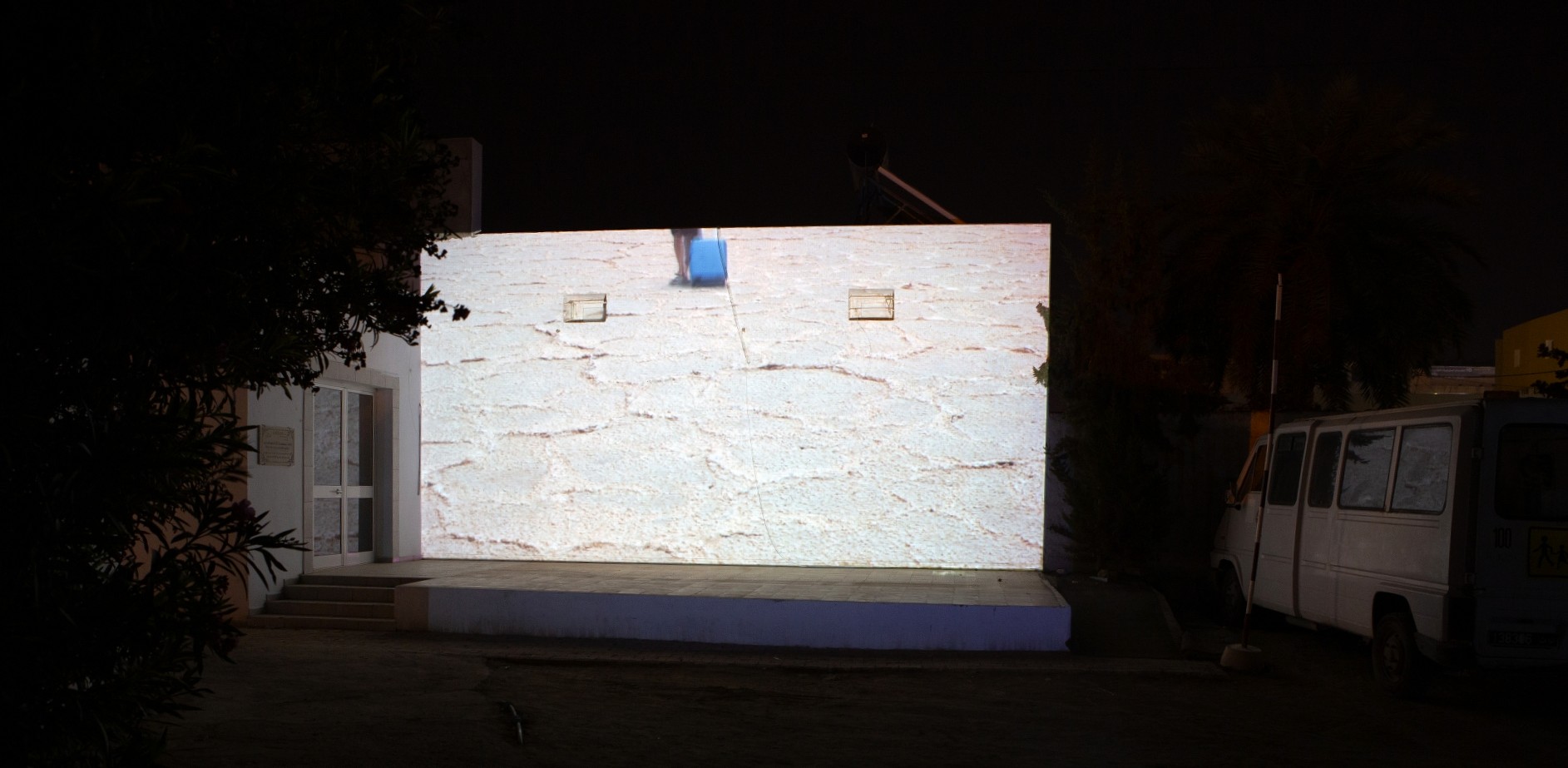
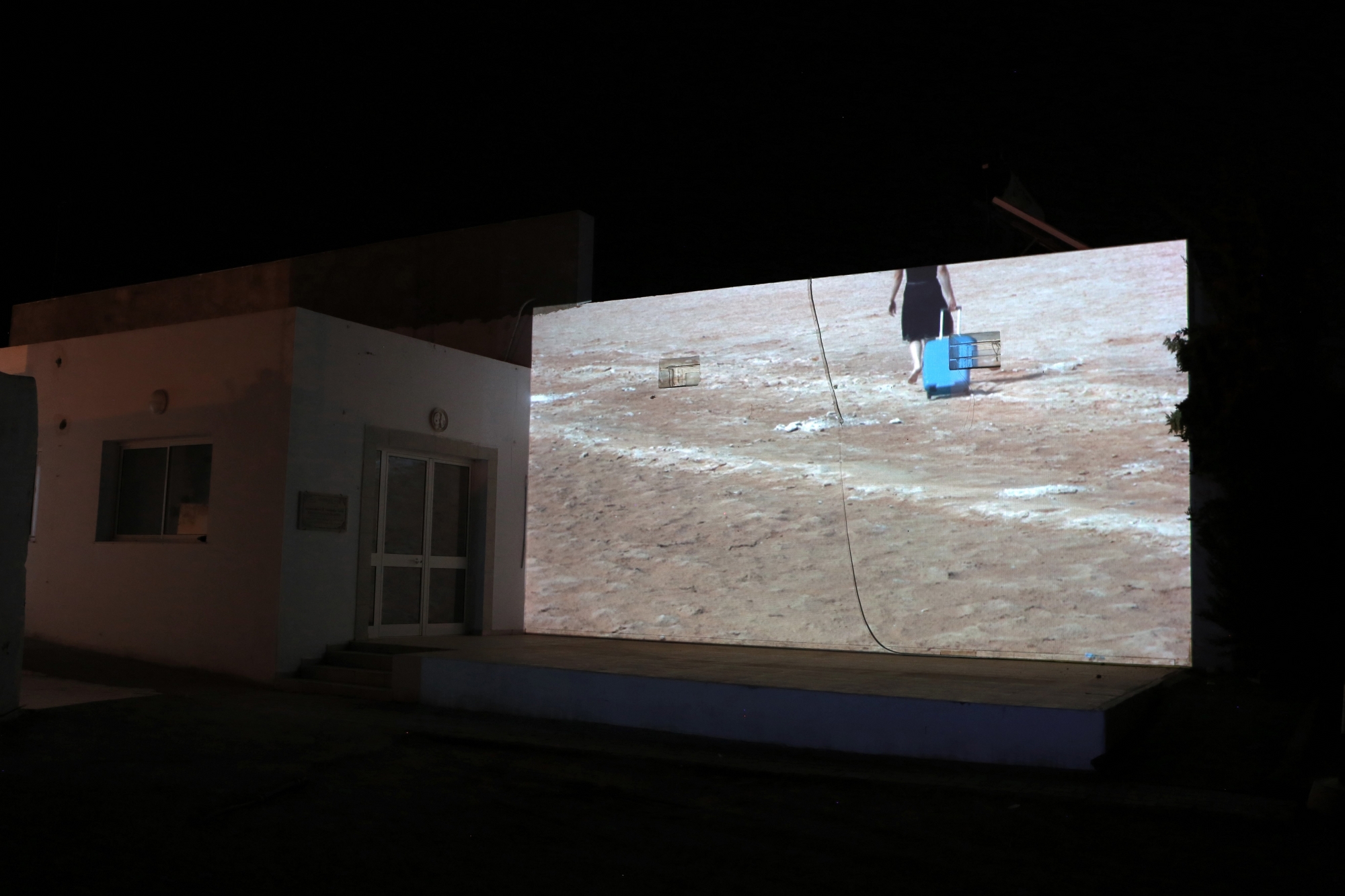
We are bringing the installation “Where did the cold go?”. The installation consists of woolen sculptures resembling ice made by Caillyn Vos that interact with the space. Her sculptures will be combined with video work by Maaike Meindertsma that explores the experience of cold through water and the body.
The installation is born out of a fascination for the cold and what it does to our bodies: Cold sets us in motion. We shiver, tremble, and chatter our teeth to stay warm; we swim in cold water for our health, and in the Netherlands, we all get our skates out of the closet when temperatures drop below freezing. Cold is stagnation. In history, science, and philosophy, cold is a sign of stagnation and preservation. For example, the rune Isa (a sign from the ancient Germanic alphabet) means inaction and reflection, and cold on Mount Everest can cause someone to stop moving forever, but years later, their body can still be recognized as completely intact. Cold is duality. It is dangerous, painful, impressive, and peaceful. We look in awe at falling glaciers and reflect on the power of cold, but at the same time, we worry about its disappearance. What is our human relationship to cold and ice? And what contrasts can be found when we are faced with it?
// How do you engage with a place or a context? How does your work usually engage with place, history, or environment? Can you give an example? What helps you when you’re working on-site?
At the core of both Caillyn’s and Maaike’s practice lies location-specific working both in the making process and in the way of presenting. For Caillyn, this means looking at the history and stories surrounding a certain country, city, or building; for Maaike, the visual appearance of a space is important, and what the space tells without even knowing all the details about it.
In the days before the SEE DJERBA festival, we will work on digging up information and interesting details about the location that they’re presenting in and will adapt the work to it on site. The relationship between the theme of cold in the work and the hot temperatures in Djerba is one of the starting points.
// What influences your artistic practice? Who influences you? Which art form has shaped you? How?
Caillyn works a lot with old crafts and textile traditions, not only seeing the material and work in their functionality, but really adapting them into a form of autonomous art.
Maaike finds her inspiration in movement, originating from her experience in sports. She captures performative actions in film in which endlessness, nothingness, but also the beauty of nature play a big role.
// What role do the viewers of your work play? What does a good public mean to you? What does it mean for your work?
Caillyn is currently working on her project “Zeilenmakers” (en: sail-makers). In the project, she invites the community to work on stitching a big sail. She was inspired by Nordic traditions in which ship sails could not be made by one person only, but were a task for the entire community of the village. Working in communities is a recurring element in her work.
Maaike has experience working in public spaces at different festivals. She often aims to get a physical reaction out of the viewer, for example by forcing them to move with the work or by playing with size and immersion.
By working together, we have gotten a glimpse into how both of us very differently work with our audience. Where Caillyn presently activates her community and audience and takes storytelling as a very important part of her work, Maaike consciously stays in the background when it comes to the relationship between artwork and artist, leaving the audience to their own devices.
// Is this your first time participating in the art festival in Tunisia?
For Maaike, she participated in SEE DJERBA in 2024; for Caillyn, it’s the first time.
// You are both part of the LUNA Collective, an open ensemble of creatives from Leeuwarden in the Netherlands, who has been contributing for years’ the the SEE DJERBA program. And Maaike’s extended walk across to the local salt lakes is still a strong memory for all of us. We are really excited to welcome you!